
I've Interviewed Hundreds of People Across 35 Countries and 450+ Cities. Here's What I Learned.
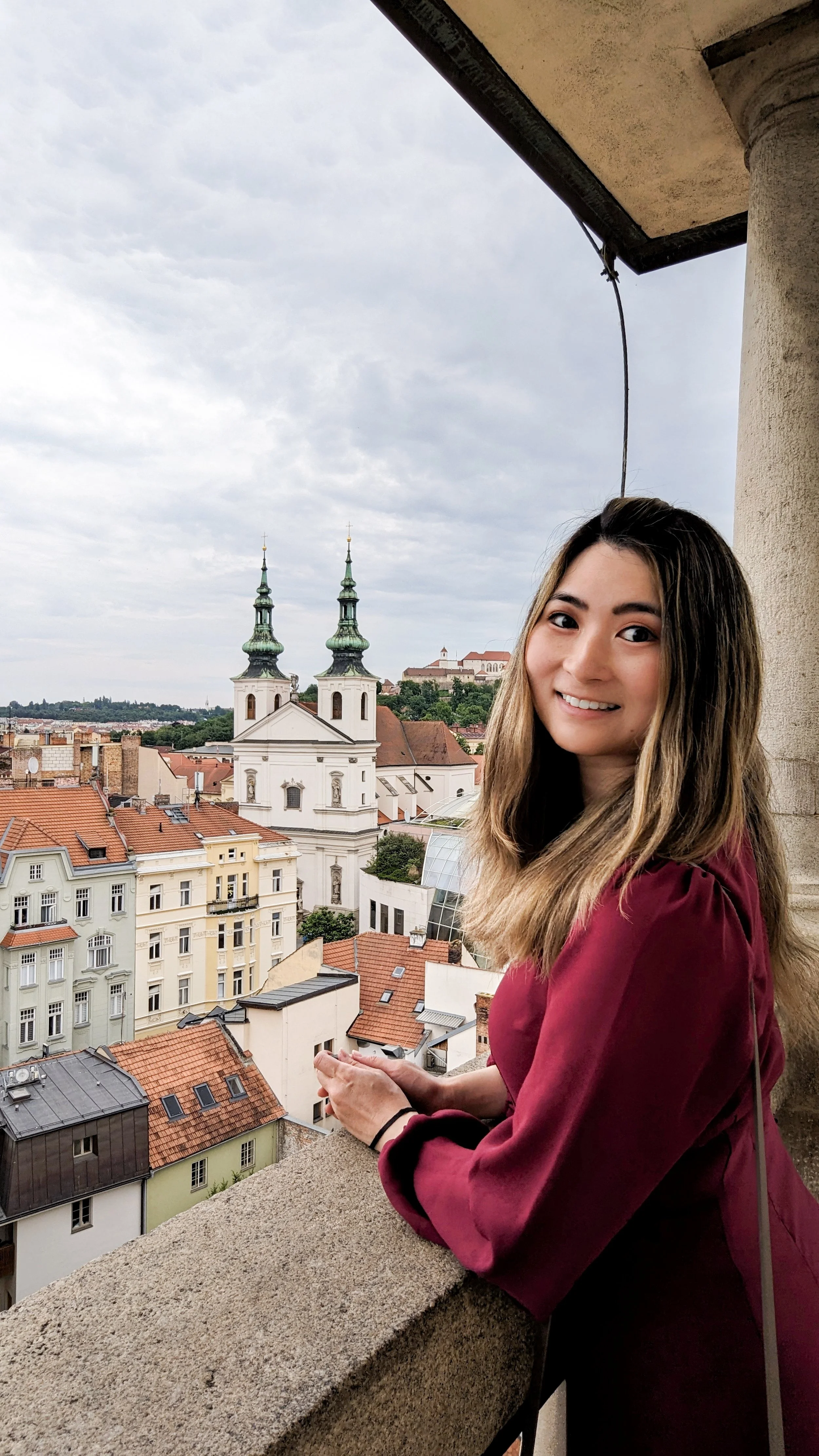
Sometimes, a smile is all it takes.
You're on a train or in line at a café, taking photos at a monument or browsing in a shop. Sometimes all it takes to learn something that changes you forever is to smile at the person next to you and just...say hi.
I’ve done this hundreds of times. Not once has the effort been wasted. Museums and monuments are beautiful, but the most humbling part of travel isn't the sights. It's the people who trust me enough to offer a glimpse into their reality.
After all, travel doesn't make you worldly. Listening does.
And when you listen, like really listen, something beautiful happens. People open up when you show genuine curiosity. It is these moments that truly restore my hope for humanity.
Here's what every conversation has taught me: we're all just making it up as we go along, shaped by circumstances we didn't choose.
On the train from Munich to Salzburg, I sat next to Birgit, a professor and author from East Germany. During our 90 minute conversation, she helped me with my German and spoke about her experience when the Berlin Wall came down. I expected a story of celebration, freedom, reunion, and joy.
Instead, she described chaos.
“We all lost our jobs when that happened.” she said. “And we lost our childcare.” The credentials she earned her whole life suddenly didn't transfer. The system she learned to navigate became irrelevant overnight.
"Everyone expected us to be grateful. And we were. But we had no jobs and no childcare. That was really hard."
I'd learned about the fall of the Berlin Wall as a triumphant moment in history. It was a victory for democracy, and the end of oppression. But I'd never learned about the woman who lost her career in the aftermath, or the decades it takes to rebuild what was destroyed in a day.
History remembers the moment. It forgets the people who have to live in what comes after.
Birgit taught me that freedom without infrastructure is just a different kind of prison.
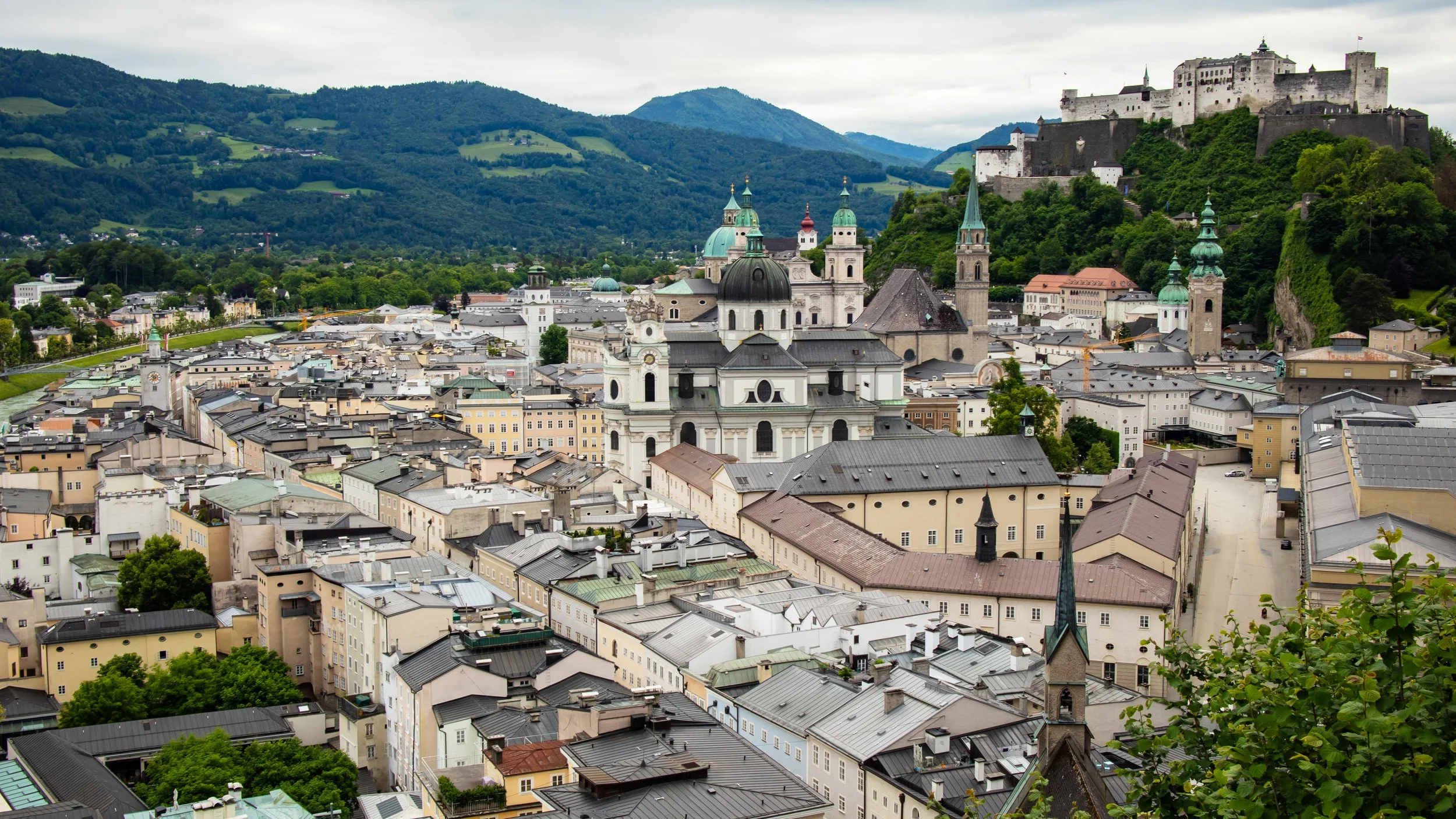
Salzburg is breathtaking. But the conversation I had with Birgit on the way here was even more special. | Salzburg, Austria | © Tari Linda Lau
In Porto, a docent named Miguel walked me through a gold church, beaming with pride about Portuguese history: the Age of Exploration, the maritime empire, the great discoveries.
"China gave Macau to Portugal as a gift,” he grinned. "And you know the Japanese word arigato? That comes from obrigado - the Portuguese word for thank you. We taught them the word for gratitude."
I nodded politely, then fact checked after to confirm he was telling me fake news.
But what struck me wasn't the historical inaccuracy. It was how we'd learned the same history so differently. Where he saw discovery, I'd learned exploitation. Where his textbooks celebrated pioneering spirit, mine emphasized human cost.
We're all taught the same events. We're just taught to celebrate different heroes.
Miguel showed me how history is truly written by winners. What he saw as his country spreading wealth, culture, and influence during the colonial ages, my ancestral countries experienced as conquest and cruelty.
Same events, opposite truths. Each side convinced of their narrative.
On a rooftop in Bratislava, Slovakia, I met Abe, a retired British soldier. “They're all unnecessary," he said about wars, staring out at the city. "Every single one. You realize that when you're there. But by then it's too late to stop it."
He'd served his country. Believed in the mission at nineteen. But distance had given him a perspective he didn't have back then.
Abe showed me that certainty can crumble under the weight of experience.
Here's what happens when you just listen to strangers around you. You start to see the scaffolding behind people's beliefs, the historical moments, economic realities, and cultural inheritance that made their worldview understandable.
Asya was a Ukrainian church singer in Brno, Czech Republic. She'd fled when the war started and built a new life. But she told me about going home to visit family - how terrifying it was, knowing the war still raged. How guilty she felt for being safe.
"I don't know how people stay there where bombs can drop on them any day. We got really lucky but we still have loved ones at home,” she told me.
You can survive something and still be destroyed by it. After all, home is like that first person who ever made you feel seen. You carry them in your chest long after you've had to walk away.
Asya taught me that safety and wholeness aren't the same thing.
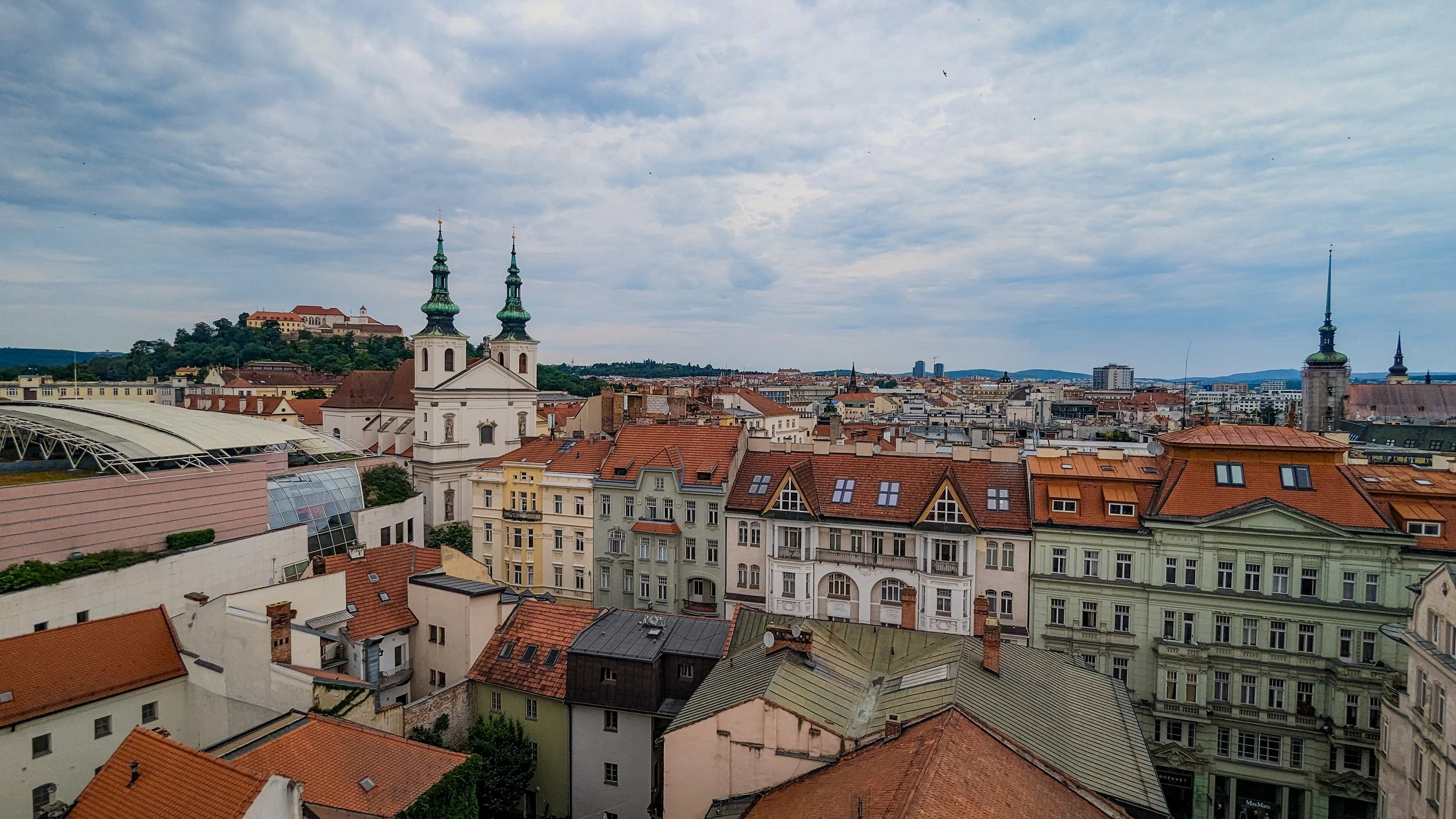
Brno, Czech Republic | © Tari Linda Lau
On a plane to Kuala Lumpur, Malaysia, I sat next to Karen, a Canadian nurse who'd spent years working in clinics in Africa. She told me about roadside checkpoints where police would stop vehicles and demand payment.
"The first time it happened, I was furious. I refused to pay. But then you learn that it's normal here. Everyone does it."
I could hear the resignation in her voice, a letting go of outrage in favor of survival. It made me think about all the small compromises we make to exist in the systems we find ourselves in, and how easy it is to judge those compromises from the outside.
What looks like acceptance from a distance often feels like necessity up close.
Karen taught me that the line between complicity and survival isn't always clear when you're the one trying to cross it.
At the top of Petrin Tower in Prague, Czech Republic, I met Maxine, a Chinese grad student studying in Norway. When I greeted her in Cantonese, her face transformed with delight that someone else in the city spoke her language.
She told me about the pressure to succeed, not just for herself, but for parents who'd sacrificed everything. About choosing a European university to escape expectations while somehow still fulfilling them. About the guilt that followed her across continents.
"Sometimes the people who shaped you are the ones you can never fully leave behind. Even when you cross oceans trying,” she told me in Cantonese.
Maxine taught me that distance doesn't mean escape.
Miyo was a dancer from Tokyo, Japan who'd lived in New York and London. She talked about western self-expression with reverence: the freedom to be loud, to take up space, to define yourself on your own terms. She didn't feel comfortable being that free in Japan. "There's a saying here," she paused. "The nail that sticks out gets hammered down - 出る杭は打たれる.“
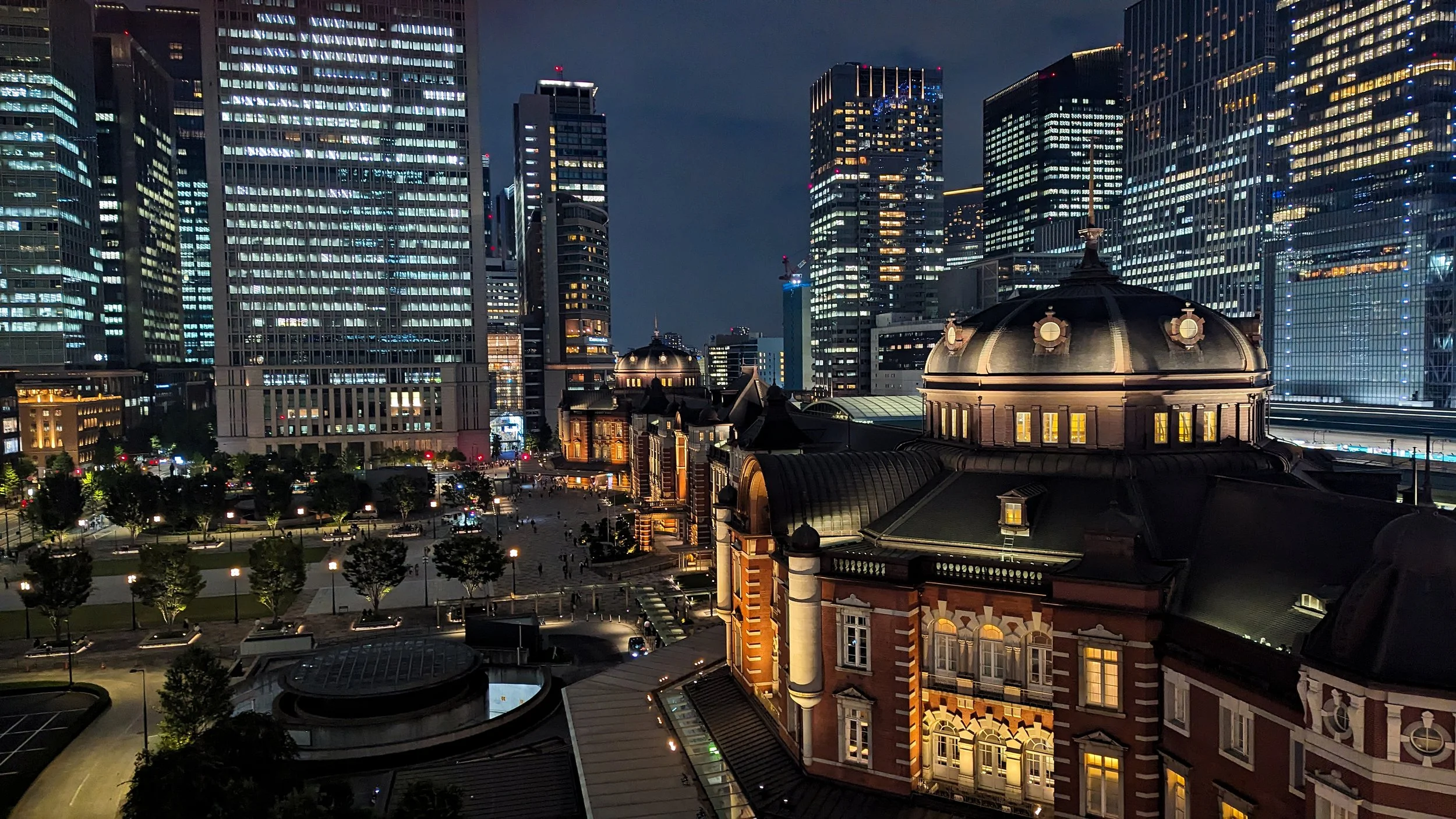
Tokyo, Japan | © Tari Linda Lau
On a crowded train to Bruges, Belgium, I stood next to Diem, a Vietnamese young professional studying communications in Brussels- the same field as me. While she was enjoying a sugar waffle, she told me she'd been trained in collective harmony, in reading rooms, in the subtle art of saying things without saying them. I'd been trained in directness, in standing out, in making my point clearly.
Same degree, same profession. Completely different toolkits for navigating the world.
Andres was my Spanish teacher from Maracaibo, Venezuela. He told me about the diversity in his country. "We have lots of Chinese and Japanese food here," he said with pride. "We fry our sushi, though." He laughed at my horrified expression. "Don't give me that look. Lots of foods are fried in my city."
Miyo, Diem, and Andres taught me that culture isn't a rigid thing you either accept or reject. It's something you negotiate, adapt, carry with you, and sometimes escape from. Culture can be the invisible blueprint of our assumptions, the framing around our sense of self. What feels like personal choice is often cultural inheritance. What feels like moral clarity is often just familiarity.
Joaquin, who I met in Vilnius, Lithuania, was a magician who knew people in the US. When I mentioned I was from DC, his eyes went wide. He was floored by voter rolls, party registration, organized outreach.
"We don't have that," he said, almost reverently. "Your political campaigns are so organized! I was so impressed."
What I took for granted (lists, databases, the boring machinery of democracy) was, to him, an achievement that made everything else possible.
Joaquin reminded me that the distance between functioning democracy and chaos isn't superiority. It's infrastructure. It is how things get built and maintained in the place you happened to be born.
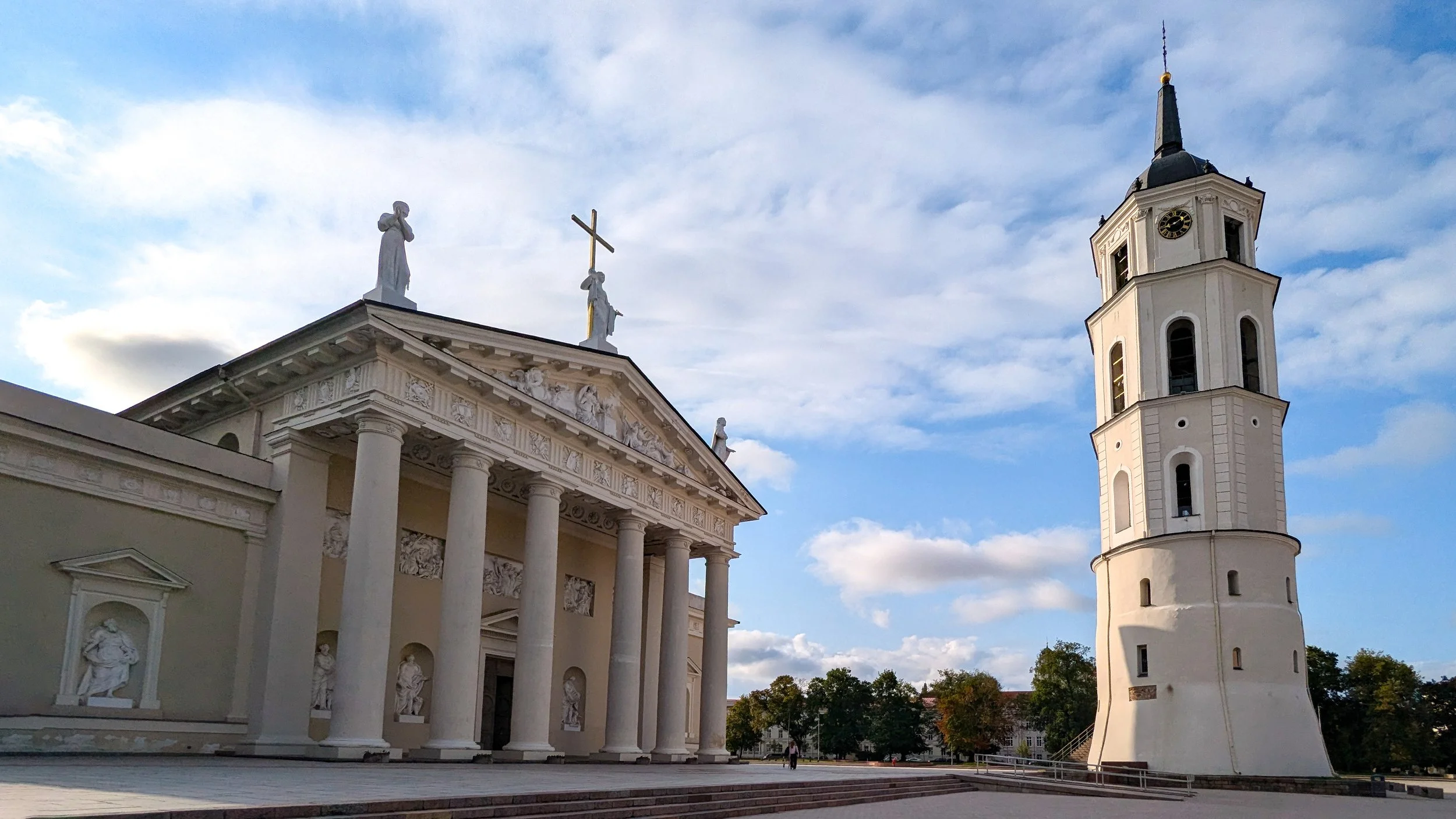
Vilnius, Lithuania | © Tari Linda Lau
My (ongoing) worldwide listening tour taught me to see context everywhere, to suspend judgment, to understand how circumstances shape belief.
But it also taught me something equally important: understanding someone doesn't mean agreeing with them. You can understand why someone believes what they believe and still fundamentally, completely abhor those values.
I don't appreciate being shoved on the street. It's rude, regardless of whether physical proximity means something different in your culture. I don't feel comfortable being followed, even if someone's intentions are supposedly harmless. And I abhor the ridiculous assumption that women are lesser than men, no matter how deeply that belief is woven into a culture's fabric.
But I can understand the cultural context that makes these behaviors normalized without accepting them as acceptable. I can hold space for someone's humanity while still insisting on my own boundaries.
After all, empathy without boundaries is self-erasure. Boundaries without empathy is cruelty.
When you hold both of these truths, something shifts. You stop condemning individuals and start questioning systems. I'm not suggesting we abandon our values or stop fighting for what we believe in. I'm suggesting we fight with more precision: targeting harmful systems rather than demonizing the humans caught in them.
Because here's what I've learned: I'm probably not morally superior to people in different circumstances. Maybe I'm just luckier. The lines we draw between us and them are mostly illusions. Strip away the accidents of geography and history, and what's left is startlingly universal.
We're all just trying to get home safely. To spark joy and care for the people we love. To find meaning in the brief time we have. To matter.
In today's climate, we see so many people vilify entire groups based on where they're from or what language they speak.
Maybe that's why understanding feels like the most generous act we can offer each other. Not the kind that makes you weak, but the kind that says: I see you. I see how you got here. And I'm holding space for your humanity, even when I can't hold space for your choices.
Perhaps the distance between me and most people I've ever judged is just a few accidents of birth.
*Some names in this essay have been changed for privacy reasons.
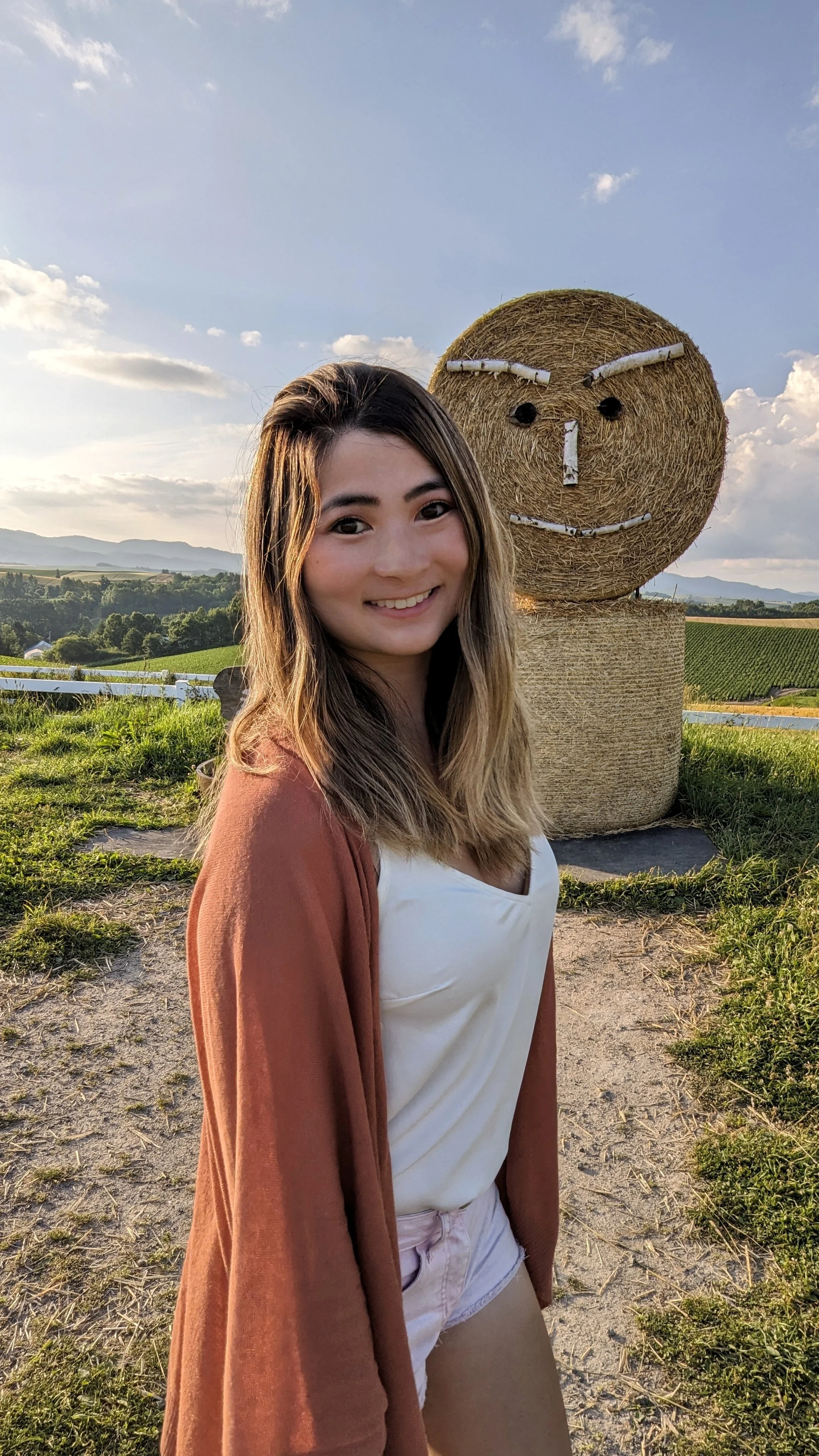
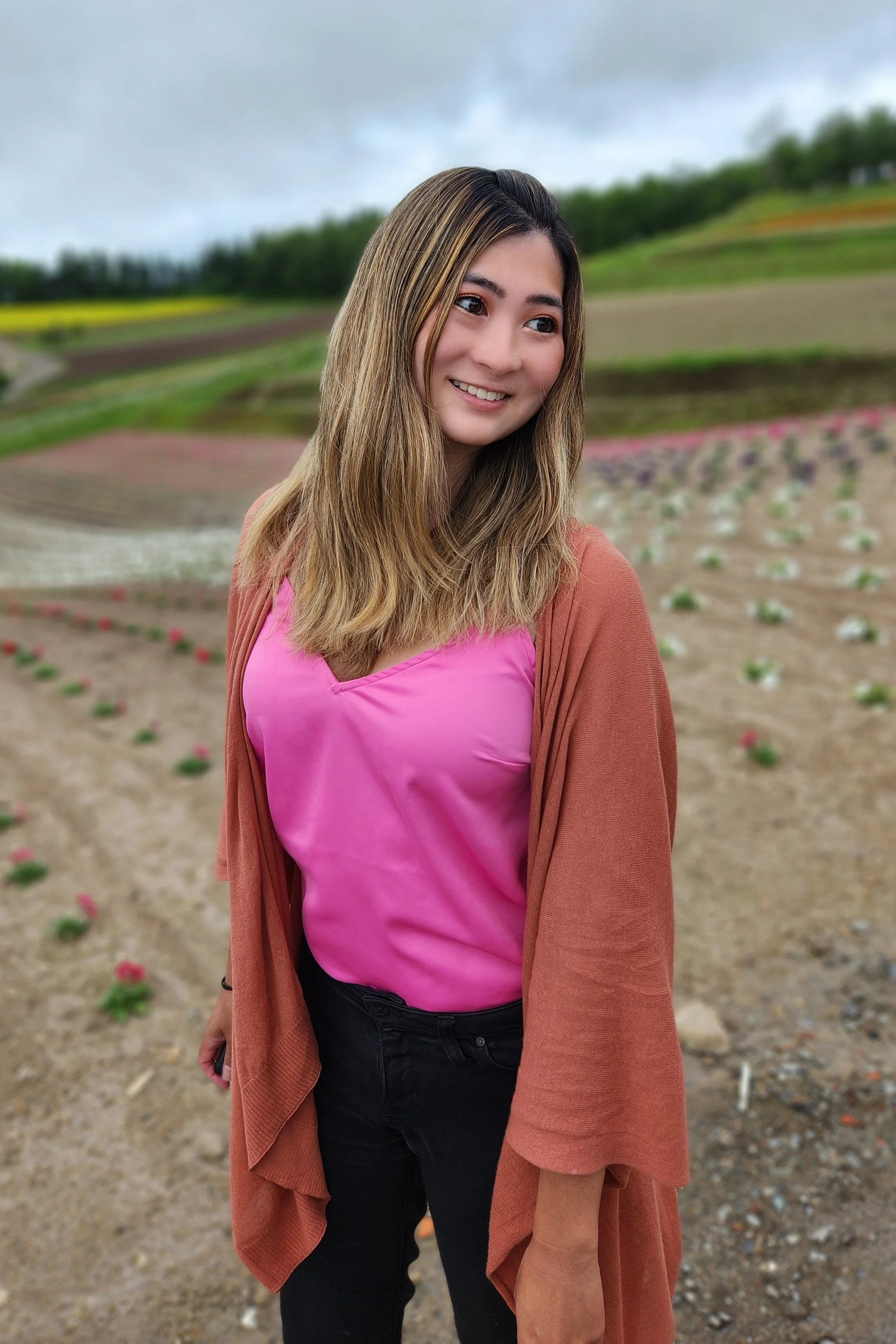



Hi there! I'm Tari, and I’m embarking on a journey to 1000 cities. I’ll learn a lot about food, culture, photography, and customs along the way, so sharing my learnings and travel tips here!
This is the only travel blog that will offer fully customized and downloadable maps for your photo needs down to the GPS marker.
Follow me on IG: @Journeyto1000Cities